
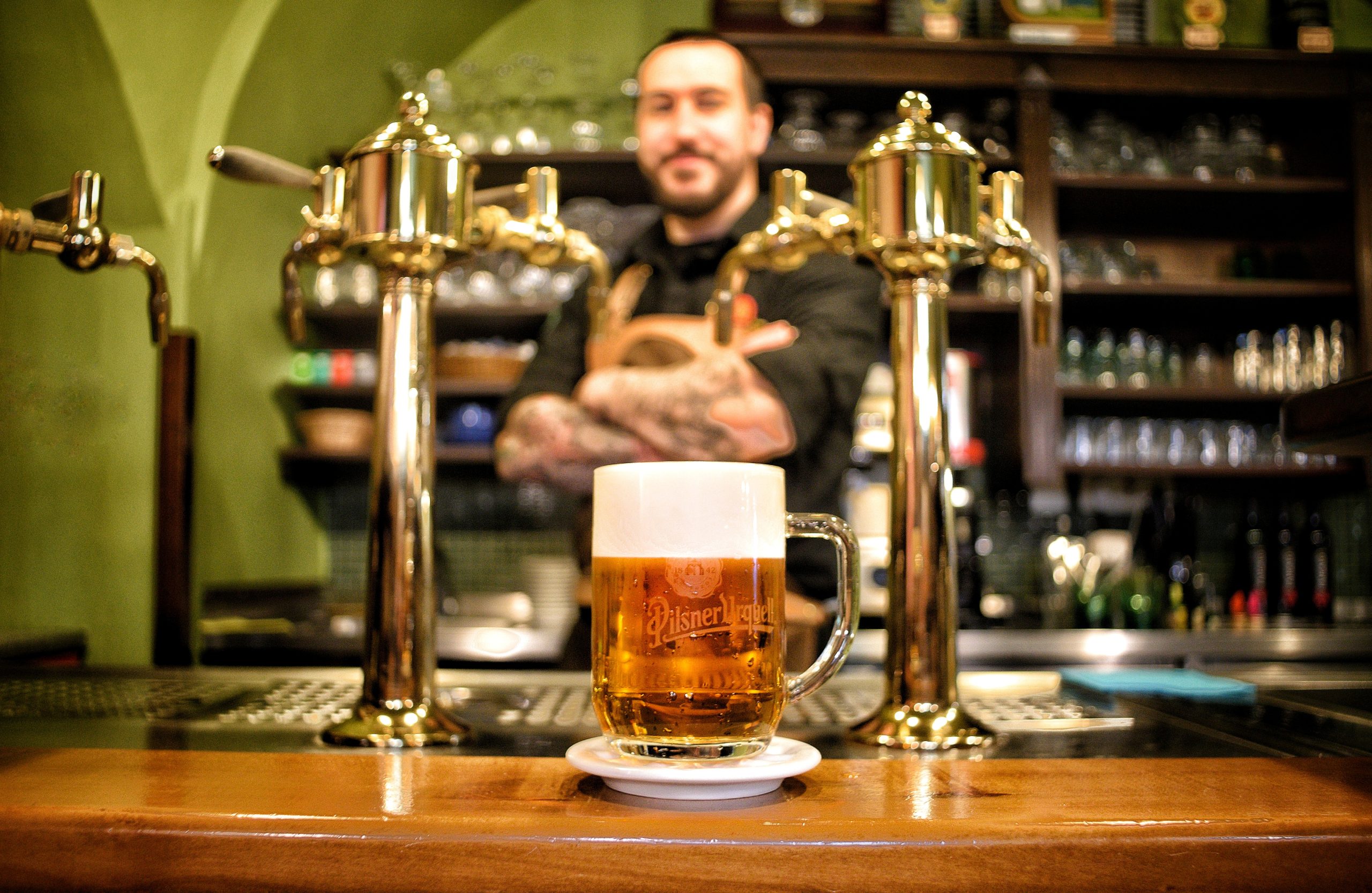
The Bavarian Misfit Who Accidentally Made Bohemia the Beer Capital of the World (And Other Pilsner Myths Debunked)
How a grumpy Bavarian brewer, a beer riot, and some stolen yeast created the world’s most imitated beer – while everyone was busy arguing about it.
The Beer Riot That Changed History
Picture this: Plzeň, 1838. A mob of furious Czechs are rolling barrels of murky, sour beer through the streets before dumping them dramatically in front of town hall. This wasn’t just a bad brew day—it was the final straw in a long line of truly terrible Bohemian beers.
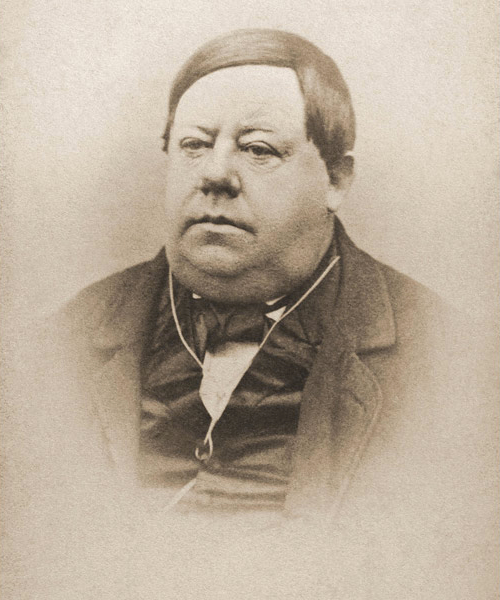
Little did these protesters know, their outrage would lead to the hiring of a Bavarian brewer named Josef Groll—a man who would accidentally invent the world’s most famous beer style, Pilsner, and turn Bohemia into a brewing mecca.
Oh, and almost everything you’ve heard about how it happened? Probably wrong.
Myth #1: “Pilsner Was a Czech Invention”
Reality: It was a Bavarian-Czech-British collab (with all the drama of a Netflix series).
- The Problem: Before 1842, Bohemian beer was cloudy, sour, and inconsistent—mostly top-fermented ales that couldn’t compete with Bavarian lagers.
- The Solution: The Burghers’ Brewery (now Pilsner Urquell) hired Josef Groll, a brewer from Bavaria, where cold-fermented lagers had been perfected for centuries.
- The Twist: Groll didn’t even want to be there. He took the job because his father pressured him—and he hated Czech brewing traditions, calling locals “beer ignoramuses.”
*”Groll was basically the 19th-century equivalent of a snobby craft brewer walking into a macrobrewery and saying, ‘You’re doing everything wrong.'”*
Myth #2: “South American Yeast Made Pilsner Possible”
Reality: Nope. The yeast was Bavarian (and possibly stolen).
A popular modern myth claims Pilsner’s yeast came from Patagonian forests (Saccharomyces eubayanus). But science says:
- The cold-fermenting lager yeast (S. pastorianus) was already in Bavaria by the 1400s.
- Groll almost certainly brought it from Germany (possibly smuggled—brewing yeast was highly guarded back then).
- Fun fact: Pilsner Urquell’s yeast strain is still kept in a -70°C freezer today, nicknamed “the gold of Plzeň.”
“Sorry, Patagonia. The only thing South America gave Pilsner was… well, nothing.”
Myth #3: “Pilsner Was an Instant Hit”
Reality: Bavarians hated it at first.
- Groll’s 1842 brew was too pale for Bavarian tastes (they preferred dark lagers).
- Critics called it “Bohemian swill”—until they started copying it (Munich’s Helles appeared in 1894).
- By 1900, Pilsner knockoffs were everywhere, from Denmark (Carlsberg) to the U.S. (Budweiser).
“Nothing inspires innovation like spite. Bavarians spent decades mocking Pilsner—then quietly stole the recipe.”
Why Groll Deserves a Statue (But Doesn’t Have One)
- He only stayed 3 years before quitting in frustration.
- He never got rich—his contract paid him in beer (seriously).
- He died unaware that he’d created the world’s most popular beer style.
Yet without him:
✔ No golden lagers.
✔ No “Pilsner” as a global standard.
✔ And definitely no Na Parkánu serving that glorious unfiltered Urtyp.
Conclusion: The Accidental Legacy
Today, Pilsner-style beers make up 90% of global beer consumption—all thanks to a Bavarian outsider who didn’t even like Pilsen, the town. So next time you sip a crisp, golden lager, raise a glass to Josef Groll: the grumpy, underpaid, brilliant brewer who turned a beer disaster into a revolution.


